
 7 minutes read7 minutes read
Summary:
- Yes, HPV can be found in urine, and research shows urine tests are getting closer to cervical samples. But urine testing isn’t part of UK cervical screening, which still tests a sample from the cervix.
- The newest UK study found that a urine test picked up 24 of 25 people with cervical pre-cancer. More work is needed before it can be offered, and no urine test for HPV has been shown to work for men.
- If you have a cervix and want to check for HPV at home, the Better2Know HPV home test checks a vaginal swab you take yourself for 14 high-risk types, with results in 3 days.
Few people look forward to cervical screening, so a urine test for HPV sounds like the perfect answer. You may have seen headlines saying one is on its way.
In this blog, we explain what a urine test can and can’t show, why it isn’t used for screening yet, how HPV testing works now, and your options if you want to check for HPV.
Can HPV be found in urine?
Yes. HPV can be found in urine, and tests work best on the first part of your pee. The question is how well a urine test matches a sample taken from the cervix.
A 2014 review in the BMJ pooled 14 studies of 1,443 women. It found that urine tests picked up:
- 87% of any HPV infections found in the cervix
- 77% of high-risk HPV infections
- 73% of infections with HPV 16 and 18, the types behind most cervical cancers
Urine collected from the first part of the stream did better than urine collected at random or midstream.
Tests have improved since then. In a 2025 UK study of 1,517 people having routine screening, urine picked up 24 of the 25 people who had cervical pre-cancer that needed treatment. It was also almost as good as a cervical sample at avoiding positive results in people who didn’t need treatment.
Urine testing for HPV is promising, but it isn’t ready for routine use yet.
Why isn’t urine used for cervical screening?
Cervical screening still uses a sample of cells from the cervix, taken with a soft brush. In England, the move to screening every 5 years for people who test HPV negative depends on that sample being taken by a doctor or nurse.
Before urine could be used, the tests need more work:
- the 2025 UK study collected all its urine samples in clinic, not at home
- its authors say the other HPV tests used in the NHS still need checking on urine
- there’s no evidence yet that urine testing works for men
In the same study, 28% of people said they’d prefer a urine test, 42% preferred the usual cervical test and 30% had no preference. The researchers say future studies should look at whether urine testing could help people who don’t come for screening.
The home test being introduced in the UK uses a vaginal swab, not urine.
What is HPV?
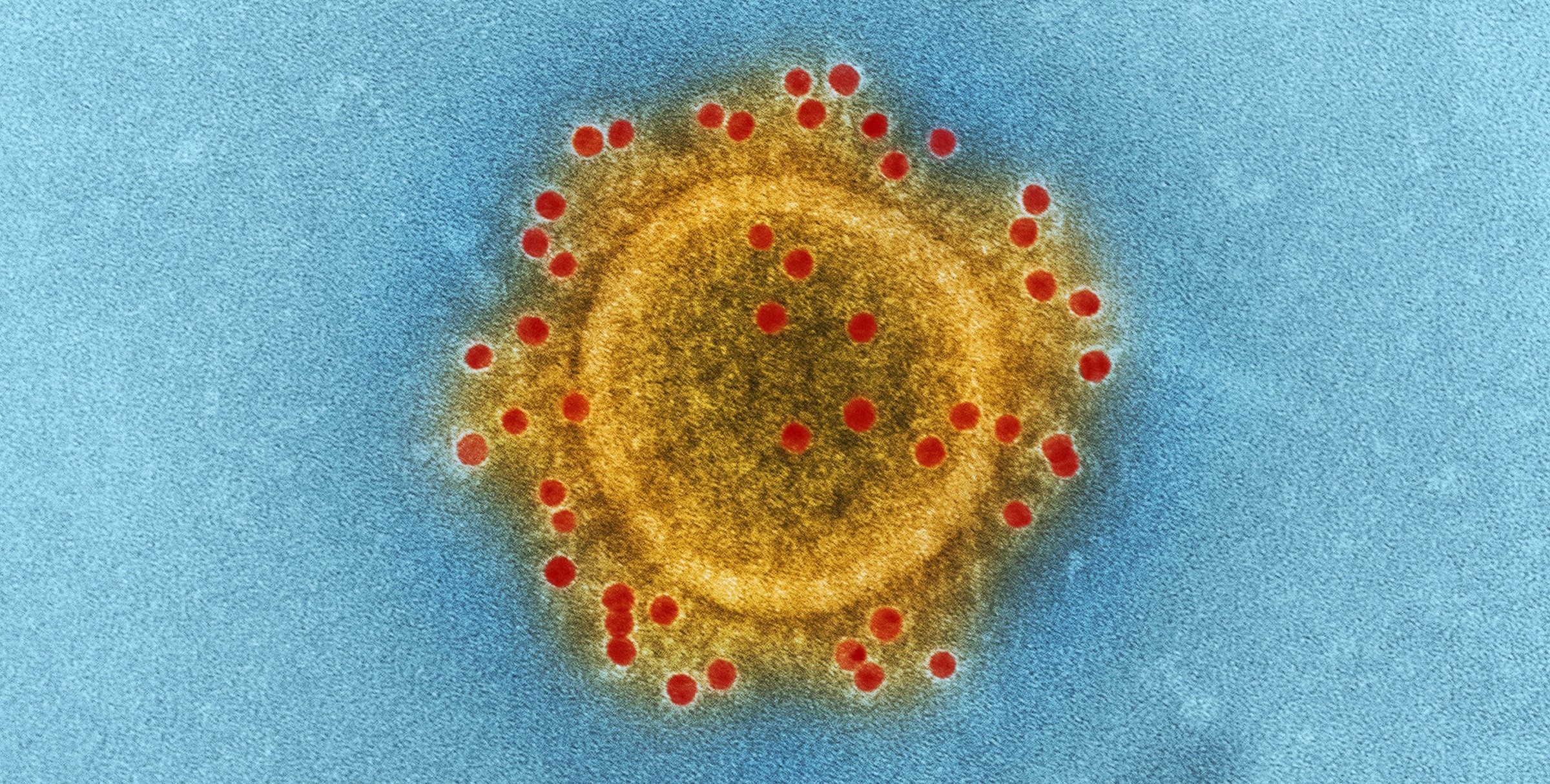
HPV (human papillomavirus) is a very common virus. There are more than 100 types, and about 40 of them affect the genital area. Most people will get some type of HPV in their life.
HPV types are grouped by risk:
- high-risk types, more than a dozen in all, can cause cell changes that may lead to cancer. Types 16 and 18 cause around 76% of cervical cancers worldwide
- low-risk types can cause genital warts. Types 6 and 11 cause about 90% of them
HPV spreads through any skin-to-skin contact of the genital area, vaginal, anal or oral sex, and sharing sex toys. You don’t need to have penetrative sex to catch it.
HPV usually causes no symptoms, and the body clears most infections within 2 years. Read more in “Can I get reinfected with HPV?”
Which cancers can HPV cause?
High-risk HPV is linked to:
- cervical cancer (nearly all cases are caused by high-risk HPV)
- anal cancer
- penile cancer
- vulval and vaginal cancer
- some head and neck cancers, including cancers of the mouth and throat
Ovarian cancer isn’t on this list. Most HPV infections never cause cancer. The risk comes from a high-risk type that stays in the body for a long time.
Cervical screening is designed to find HPV and cell changes long before cancer develops. Read more in “Michael Douglas and HPV: the link between oral sex and throat cancer”
How does cervical screening test for HPV?
Cervical screening used to be called a smear test, and it used to look for changes in the cells first. Now the sample is tested for high-risk HPV first:
- if no high-risk HPV is found, you don’t need any more tests until your next invitation
- if HPV is found, the same sample is checked for cell changes
- if HPV is found but your cells are normal, you’re invited back after 1 year, and offered a closer look at your cervix (a colposcopy) if HPV is still there after 2 years
- if there are cell changes, you’re offered a colposcopy
In England, women and people with a cervix aged 25 to 64 are invited every 5 years. Wales and Scotland also invite people every 5 years.
Screening isn’t a test for cancer. It’s a test to help prevent it. A positive HPV result doesn’t mean a partner has had sex with someone else, as HPV can stay in the body for years.
Can you test for HPV at home?
Yes, for people with a cervix. Cervical screening in England is starting to offer a home HPV test for women and people with a cervix aged 30 to 65 who haven’t gone for screening after being invited. You need to be invited to use it, and it uses a vaginal swab you take yourself.
Research shows self-taken swabs work well. A 2018 BMJ review found that, with PCR-based HPV tests, a self-taken sample found cervical pre-cancer as well as a sample taken by a clinician. The World Health Organization also says self-collected samples are as reliable.
You can also test privately. The Better2Know HPV home test checks a vaginal swab for 14 high-risk types, including 16 and 18. It doesn’t replace cervical screening, which also checks your cells.
For now, a self-taken vaginal swab is the proven way to test for HPV at home.
Can men get tested for HPV?
There’s no routine HPV test for men in the UK, and no urine test has been shown to work for them. Cervical screening is only for people with a cervix, and there’s no blood test for HPV.
Genital warts are usually diagnosed by a doctor or nurse looking at them. If you have a visible wart or growth, a swab from it can be tested for HPV.
The best protection for men is the HPV vaccine. Men who have sex with men can have it up to and including age 45.
If you notice a lump, wart or other change around your genitals or anus, get it checked. Read more in “Genital warts: symptoms, causes and treatment”
How can you lower your risk?
You can’t completely avoid HPV, but you can lower the risk of it causing problems:
- the HPV vaccine: offered to all children aged 12 to 13, with catch-up until the 25th birthday for girls and for boys born after 1 September 2006. Most people under 25 now need only 1 dose. It protects against the types that cause most cervical cancers and genital warts
- condoms: they help, but don’t cover all the skin around the genitals, so they don’t fully protect you
- cervical screening: go when you’re invited, even if you’ve had the vaccine, as it doesn’t cover every type
Don’t wait for screening if you have symptoms. Get medical advice if you have bleeding during or after sex, between periods or after the menopause, or a change in your discharge.
Which test do you need?
None of Better2Know’s HPV tests use urine. We offer:
- HPV home test: for women and people with a cervix, a vaginal swab you take yourself that checks for 14 high-risk types of HPV, with results in 3 days.
- HPV and Genital Warts test: a genital or vaginal swab, with results in 3 days. Men can only be tested if there’s a visible wart or growth to swab.
- Blemish Screen: if you have a lump, wart or sore on or around your genitals, it tests a swab for HPV, Herpes 1, Herpes 2 and Syphilis, with results in 5 days. You can also order a home test kit.
You can book the swab tests at one of our clinics. Not sure which test you need? Our Patient Care Team is available 24/7 on 020 7099 0955.
FAQs
Can a urine test find HPV in men?
Not reliably. There’s no validated urine test for HPV in men.
Will a urine test replace cervical screening?
Not yet. UK screening still uses a cervical sample, and the home option being introduced is a vaginal swab. Urine may become an option in future if larger studies confirm it works.
If I’ve had the HPV vaccine, do I still need screening?
Yes. The vaccine protects against the types that cause most cervical cancers, but not all of them, so go for screening when you’re invited.
Final thoughts
HPV can be found in urine, and the latest UK research is encouraging. But for now, urine isn’t used for cervical screening, and there’s no proven urine test for men. The best ways to protect yourself are the HPV vaccine, cervical screening if you have a cervix, and getting any lumps or changes checked.
Order an HPV home test, or book a Blemish Screen at a clinic near you if you have a wart or lump. Our Patient Care Team is available 24/7 on 020 7099 0955.
About this article
Not in the UK? Choose your country from the selector at the top of the page for local tests and prices.
This article originally appeared on 24 October 2014 and was last updated on 1 October 2026.
This article is general information and not a substitute for personal medical advice.
Sources
- NHS, Human papillomavirus (HPV), reviewed 10 March 2026. https://www.nhs.uk/conditions/human-papilloma-virus-hpv/
- NHS, What is cervical screening?, reviewed 26 June 2025. https://www.nhs.uk/tests-and-treatments/cervical-screening/what-is-cervical-screening/
- NHS, Cervical screening: when you’ll be invited, reviewed 26 June 2025. https://www.nhs.uk/tests-and-treatments/cervical-screening/when-youll-be-invited/
- NHS, Cervical screening: your results, reviewed 26 June 2025. https://www.nhs.uk/tests-and-treatments/cervical-screening/your-results/
- NHS, Cervical screening: how to book, reviewed 26 June 2025. https://www.nhs.uk/tests-and-treatments/cervical-screening/how-to-book/
- NHS, Cervical cancer: symptoms, reviewed 4 September 2024. https://www.nhs.uk/conditions/cervical-cancer/symptoms/
- NHS, HPV vaccine, reviewed 1 September 2023. https://www.nhs.uk/vaccinations/hpv-vaccine/
- NHS, Genital warts, reviewed 10 July 2023. https://www.nhs.uk/conditions/genital-warts/
- UK Health Security Agency, Human papillomavirus (HPV): the green book, chapter 18a, June 2023. https://www.gov.uk/government/publications/human-papillomavirus-hpv-the-green-book-chapter-18a
- NHS England, Extended screening interval clinical pathway protocol, updated 25 August 2026. https://www.gov.uk/government/publications/extended-screening-interval-clinical-pathway-protocol
- UK National Screening Committee, Cervical cancer screening recommendation, 2025. https://view-health-screening-recommendations.service.gov.uk/cervical-cancer/
- Pathak N et al., Accuracy of urinary human papillomavirus testing for presence of cervical HPV: systematic review and meta-analysis, BMJ, 16 September 2014. https://www.bmj.com/content/349/bmj.g5264
- Davies JC et al., Urine human papillomavirus testing for cervical screening in a UK general screening population: a diagnostic test accuracy study, British Journal of General Practice, 1 December 2025. https://bjgp.org/content/75/761/e853
- Arbyn M et al., Detecting cervical precancer and reaching underscreened women by using HPV testing on self samples: updated meta-analyses, BMJ, 5 December 2018. https://www.bmj.com/content/363/bmj.k4823
- World Health Organization, Cervical cancer, 3 July 2026. https://www.who.int/news-room/fact-sheets/detail/cervical-cancer
- World Health Organization, Human papillomavirus and cancer, 5 March 2024. https://www.who.int/news-room/fact-sheets/detail/human-papilloma-virus-and-cancer