
 5 minutes read5 minutes read
Summary:
- After a full Hepatitis B vaccine course, protection lasts around 20 to 30 years and is likely lifelong for most healthy people.
- A simple blood test for Hepatitis B can confirm your level of immunity if you belong to a higher risk group.
- Demand for Hepatitis B testing is rising: Hepatitis B tests featured in approximately 33% of Better2Know bookings from 2024 to 2026, an increase of 19% year on year.
What is Hepatitis B and why does long-term protection matter?
Hepatitis B is a serious liver infection caused by the Hepatitis B virus. It spreads mainly through infected blood and bodily fluids including semen and vaginal secretions.
How does it transmit?
Key transmission routes include unprotected sex, sharing contaminated needles (including among people who inject drugs), non-sterile tattooing or piercing, and mother-to-baby transmission – particularly for infants born to infected mothers. Casual contact and saliva alone are not usual routes of spread. It’s much more infectious than other viruses like HIV.
What are the long-term effects?
The consequences of untreated Hepatitis B infection can be severe. Acute infection in adults almost always resolve on its own, but chronic Hepatitis B can persist for decades, leading to chronic liver disease, cirrhosis, liver damage, and liver cancer. Prevention through vaccination remains the most effective strategy.
How does the Hepatitis B vaccine work and how long does protection last?
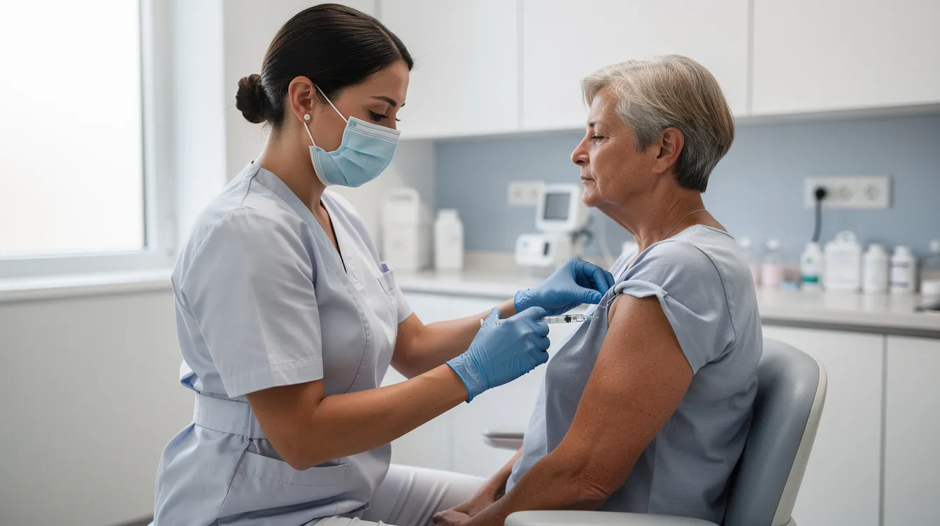
The Hepatitis B vaccine is a recombinant vaccine containing a purified piece of the virus surface protein (HBsAg). It’s not a live virus. Given as an injection in the upper arm, the vaccine prompts your immune system to produce Hepatitis B surface antibodies (anti-HBs) along with memory B and T cells.
The vaccine is highly effective, with 90% of adults developing strong immunity after the full course. Many experts believe the Hepatitis B vaccine may provide lifelong immunity. Large-scale studies confirm that Hepatitis B vaccine protection lasts at least 20 to 30 years, with approximately 90% of adults vaccinated two to three decades earlier still showing protective antibody levels.
Here is the reassuring part: antibody levels may decline over time, but immune memory remains. Even when measurable antibody levels drop below the standard protective threshold, memory cells can mount a rapid, powerful response upon exposure to the virus. Most healthy individuals remain protected for decades after vaccination, and current guidelines from the WHO and CDC do not recommend routine booster doses for healthy people who have completed the primary course.
Do you need a Hepatitis B booster or blood test to check immunity?
Most people do not need a booster after the full course. Routine booster doses are not recommended for healthy individuals after the initial series. This holds true even if you had your vaccine years ago.
However, booster doses are needed for high-risk individuals, including:
- Healthcare workers and laboratory staff
- People on long-term dialysis or with kidney failure
- Those living with HIV or other causes of a weakened immune system
- People in exposure-prone occupational roles
Approximately 5% of individuals do not develop protective antibodies after vaccination. People with weakened immune systems may lose protection faster. A booster dose may be needed five years after primary immunisation for high-risk individuals, and a booster may be recommended if antibody levels fall below the protective threshold. In the people mentioned above as being high risk, if results show low or no antibodies, extra doses or a repeat full course may be advised.
What if you have had Hepatitis B, or cannot recall your vaccination history?
A past Hepatitis B infection may lead to natural immunity, but you should not assume protection without testing. Hepatitis B blood testing may show previous cleared infection with natural immunity, ongoing chronic Hepatitis, or no evidence of either. If you are unsure whether your liver infection has resolved, this guide explains whether Hepatitis B will go away on its own.
If you cannot find your vaccine history or vaccination history records, it is safe to repeat the Hepatitis B vaccine course. Extra doses pose no risk to vaccine safety and may be recommended when your history is uncertain.
How does Hepatitis B vaccine protection compare with other travel vaccines?
Many people planning trips ask how long the Hepatitis B vaccine lasts compared with other travel vaccines and travel vaccinations. Here is a quick comparison:
| Vaccine | Doses | Protection |
| Hepatitis B | Three doses (full course) | At least 20–30 years, likely lifelong |
| Hepatitis A | Two doses (6–12 months apart) | At least 20 years, likely lifelong |
| Typhoid (injectable) | Single dose | About 3 years |
| Typhoid (oral vaccine) | Oral capsules | About 1 year |
| Yellow fever vaccine | Single dose | Lifelong for most travellers |
Unlike Hepatitis B, the typhoid vaccine requires more frequent boosters – making it one of the shorter-lasting travel vaccines. The yellow fever vaccine offers lifelong protection from a single dose for most people, though occasional boosters may be required under specific country entry rules for travellers to parts of South America or sub-Saharan Africa. A combined Hepatitis A and B vaccine is a convenient option for those wanting dual protection in one course.
FAQs
Can the Hepatitis B vaccine still work if I had my first dose years ago?
A long gap after your first dose does not usually mean you must restart the entire course. Your immune system may still remember the earlier dose, so you can often simply continue with the remaining doses. A clinician or Better2Know advisor can review your dates and recommend a blood test or a repeat full course if needed to ensure robust, long-lasting protection.
Is it safe to mix different Hepatitis B vaccine brands or switch from a combined Hepatitis A and B vaccine?
In many cases, it is acceptable to complete the schedule with a different brand or switch between a combined Hepatitis A and B product and a Hepatitis B-only vaccine. Exact timing and dose numbers should be guided by a healthcare professional. Bring any existing blood products or vaccine records to your appointment so the most efficient schedule can be designed.
Do some people lose Hepatitis B vaccine protection faster than others?
Older age, obesity, smoking, heavy alcohol use, diabetes, kidney failure, and some immune conditions can reduce the initial antibody response. These individuals may need post-vaccine blood tests and sometimes extra doses. This does not always mean protection fades quickly, but a personalised plan – including possible booster doses – helps ensure durable immunity.
If I already have chronic Hepatitis B, does vaccination help me?
The Hepatitis B vaccine cannot cure an existing viral infection and is not a treatment for chronic Hepatitis B. However, it is vital that your partners, household contacts, and close family members are vaccinated. Anyone with chronic Hepatitis B or an uncertain diagnosis should arrange testing and specialist follow-up – a functional cure is now possible for some.
Final thoughts
A completed Hepatitis B vaccine course usually provides protection for decades – often for life. Most healthy adults develop strong protection after the full course, and a booster is rarely needed. However, testing and tailored advice remain important for higher-risk groups and those unsure of their history.
If you are worried about whether your protection has lasted, a simple blood test can clarify your status. Whether you are planning travel, starting a new relationship, or working in a higher-risk role, reviewing your vaccination history and confirming your protection with a reliable test is one of the smartest steps you can take for your liver and sexual health.
This article has been medically reviewed by Dr. Steve Chapman, 17/08/2026.