
 6 minutes read6 minutes read
Summary:
- Lyme disease and Syphilis are caused by related spiral-shaped bacteria. Both usually start with a skin sign, both can affect the joints, nerves and heart if they’re not treated, and both are treated with antibiotics.
- They spread in very different ways. Lyme disease comes from the bite of an infected tick and isn’t passed on through sex. Syphilis is an STI, usually passed on through contact with a sore during sex.
- If you’re worried about Syphilis, the Better2Know Syphilis blood test can be taken from 9 days after sex, with results in 1 day.
Lyme disease and Syphilis might seem an odd pair. One comes from a tick bite on a country walk, the other from sex. But the bacteria behind them are close relatives, and the two infections can look surprisingly alike.
In this blog, we explain how Lyme disease and Syphilis spread, what they have in common, how they differ, and how to get tested.
How are Lyme disease and Syphilis alike?
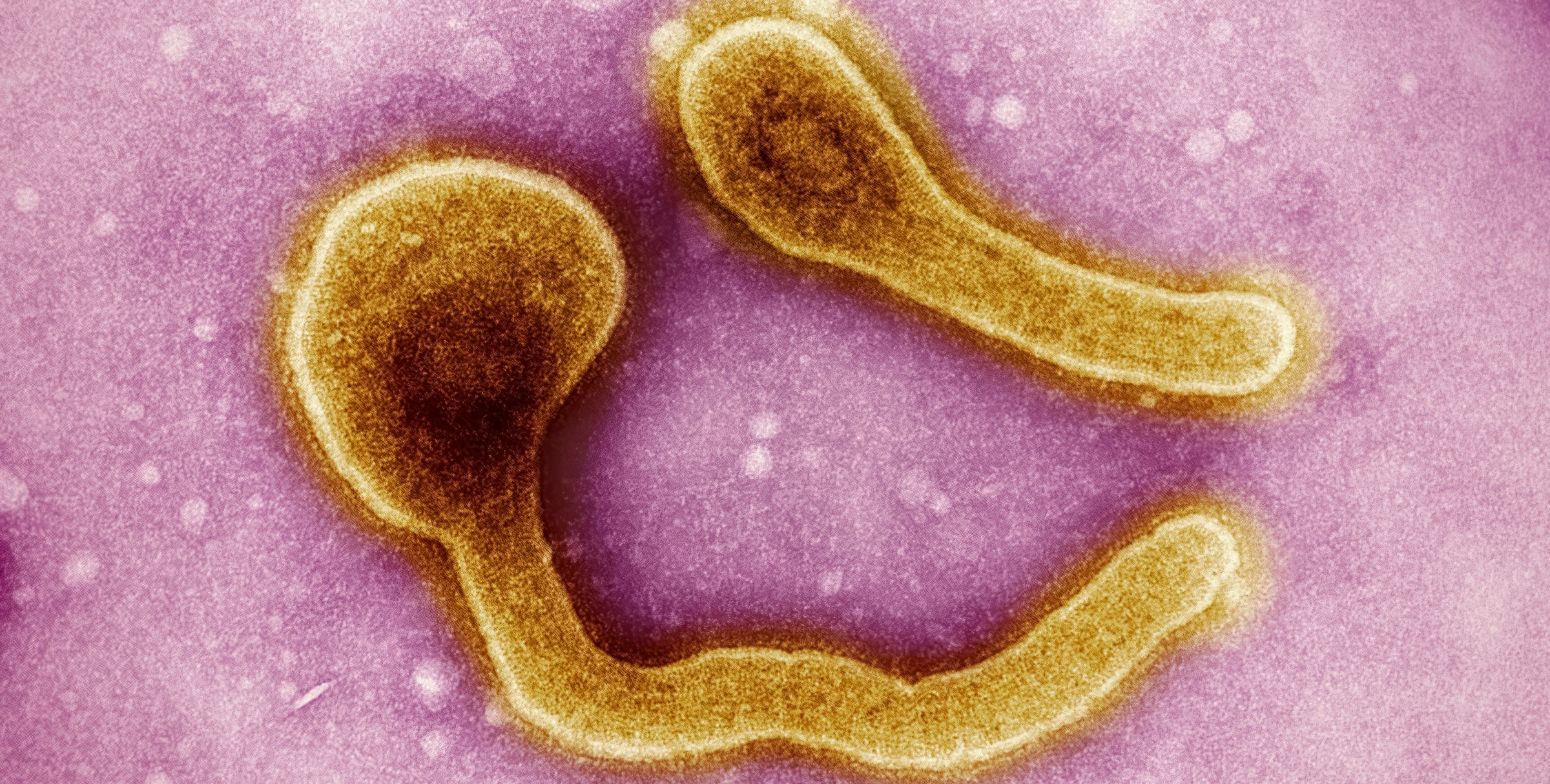
Both are caused by spirochaetes, a group of spiral-shaped bacteria. Lyme disease is caused by Borrelia bacteria, and Syphilis by Treponema pallidum. They have several things in common:
- Both usually start with a skin sign: a spreading rash around a tick bite for Lyme disease, and a painless sore where the infection got in for Syphilis.
- Both can cause flu-like symptoms, such as a high temperature, headache and tiredness.
- If they’re not treated, both can later affect the joints, nerves and heart.
- Both are treated with antibiotics.
The big difference is how you catch them.
How do you get Lyme disease and Syphilis?
Lyme disease
Lyme disease is spread by the bite of an infected tick. Ticks feed on blood for a few days before dropping off, and the longer an infected tick stays attached, the more likely it is to pass on the infection. That’s why it’s important to remove a tick as quickly as you can. Not all ticks in England carry the bacteria.
There’s no reliable evidence that Lyme disease spreads from person to person, including through sex.
Syphilis
Syphilis is an STI. It’s usually passed on through vaginal, anal or oral sex without a condom, when you come into contact with a sore on someone’s genitals, bottom or mouth. It can also pass to a baby during pregnancy, and through shared needles.
Early signs: a rash or a sore
The Lyme disease rash
A circular or oval rash around the tick bite is a common early sign. It usually appears within 1 to 4 weeks, but it can take up to 3 months. It may have a darker or lighter centre, like a bull’s-eye, and it often spreads. It isn’t usually hot or itchy, and on brown and black skin it can look like a bruise.
Not everyone gets it: about 1 in 3 people with Lyme disease don’t report a rash.
The Syphilis sore
The first sign of Syphilis is usually a small, painless sore, often just one, on the penis, vagina or around the bottom, or in the mouth or on the lips. It usually appears around 3 weeks after infection, but it can take anywhere from 9 to 90 days. Because it doesn’t hurt, it’s easy to miss, especially inside the vagina or bottom. The sore heals on its own within 3 to 8 weeks, but the infection stays. Read more in “What does a Syphilis sore look like?”
What happens if they’re not treated?
Both infections can cause more serious problems months or years later, which is why early treatment matters.
- Lyme disease: some people get more severe symptoms months or years later, especially if treatment is delayed. These include pain and swelling in the joints, nerve problems such as pain or numbness, heart problems, and trouble with memory or concentration.
- Syphilis: without treatment, the symptoms can come and go, but the infection stays in your body and can still be passed on. Years later, it can damage the brain, nerves, eyes, heart and joints. It can affect the brain and nerves at any stage, and it can also affect the eyes and hearing.
Read more in “Can you pass on Syphilis without a sore?”
How are they treated?
Both are treated with antibiotics.
- Lyme disease: a course of antibiotics, which you may need to take for up to 28 days. People with severe symptoms may need antibiotics into a vein in hospital. Most people get better after treatment, although for some it takes months.
- Syphilis: usually a penicillin injection. Early Syphilis needs a single injection, and later Syphilis needs 3 injections, a week apart. You’ll need follow-up blood tests to check the treatment has worked, and you shouldn’t have sex until 2 weeks after you and your partner have finished treatment.
Lyme disease, Syphilis and pregnancy
This is where the two are very different.
- Syphilis can pass to a baby during pregnancy and can cause miscarriage, premature birth or stillbirth. UK guidelines say everyone should be offered a Syphilis test in every pregnancy, so it can be found and treated early.
- With Lyme disease, the risk of passing it from mother to baby is very low. If you’re pregnant and think you might have Lyme disease, see a doctor promptly.
Which test do you need?
If you’re worried about Syphilis
Better2Know offers:
- Syphilis: a blood test from 9 days after sex, with results in 1 day. You can book it at one of our clinics or order a home test kit.
- Peace of Mind: tests for Syphilis, Chlamydia and Gonorrhoea from 14 days after sex, with results in 2 days.
A Syphilis test in the first 3 months after sex can miss the infection, so you may need a repeat test.
If you’re worried about Lyme disease
If you have a spreading rash or feel unwell with flu-like symptoms after a tick bite, see a doctor promptly. The rash is diagnosed by how it looks, and treatment can start without a test.
For other symptoms, a blood test can help. Better2Know offers a Lyme Disease blood test, with results in 2 days, at a clinic or as a home test kit. Blood tests can be negative in the first few weeks of infection, so an early negative result may need repeating 4 to 6 weeks later.
Not sure which test you need? Our Patient Care Team is available 24/7 on 020 7099 0955.
FAQs
Can you get Lyme disease from sex?
There’s no reliable evidence that you can. Lyme disease is spread by the bite of an infected tick, not through sex or other contact between people.
Can you have Syphilis without knowing?
Yes. The first sore is usually painless and can be hidden inside the vagina or bottom, and later symptoms can come and go. A blood test is the only way to know. Read more in “Can you have Syphilis and not know it?”
Which is more common in the UK?
Syphilis. There were 8,262 diagnoses of infectious Syphilis in England in 2025. For Lyme disease, there were 1,168 lab-confirmed cases of acute Lyme disease in England in 2025, and UKHSA estimates there could be about 1,400 more that are diagnosed without a lab test.
Can Syphilis cause a positive Lyme disease test?
It can. US health authorities list Syphilis, along with some other infections and conditions, as a possible cause of a false positive result on a Lyme disease blood test.
Final thoughts
Lyme disease and Syphilis are caused by related bacteria and can look alike, but they spread in completely different ways, and both are easier to treat when they’re caught early. If you’ve had a tick bite and notice a rash or feel unwell, see a doctor. If you’ve had sex without a condom, a Syphilis test is the only way to know.
Book a Syphilis test at a clinic near you or order a home test kit. Our Patient Care Team is available 24/7 on 020 7099 0955.
About this article
Not in the UK? Choose your country from the selector at the top of the page for local tests and prices.
This article originally appeared on 21 February 2020 and was last updated on 1 October 2026.
This article is general information and not a substitute for personal medical advice.
Sources
- NHS, Lyme disease, reviewed 3 June 2025. https://www.nhs.uk/conditions/lyme-disease/
- UK Health Security Agency, Lyme disease: signs and symptoms, 20 May 2022. https://www.gov.uk/government/publications/lyme-disease-signs-and-symptoms/lyme-disease-signs-and-symptoms
- UK Health Security Agency, Lyme disease: management and prevention, updated 14 April 2022. https://www.gov.uk/guidance/lyme-disease-management-and-prevention
- UK Health Security Agency, Lyme disease: sample testing advice, updated 20 April 2022. https://www.gov.uk/guidance/lyme-disease-sample-testing-advice
- UK Health Security Agency, Be tick aware toolkit, April 2023. https://assets.publishing.service.gov.uk/media/642e966bfbe620000f17ddbe/Be_tick_aware_toolkit.pdf
- UK Health Security Agency, One Health vector-borne disease surveillance report 2025, May 2026. https://assets.publishing.service.gov.uk/media/6a0c94f0f7c2e79c33db9258/One_Health_VBD_Annual_Surveillance_Report_2025.pdf
- Centers for Disease Control and Prevention, Clinical testing and diagnosis for Lyme disease, updated 15 May 2024. https://www.cdc.gov/lyme/hcp/diagnosis-testing/index.html
- NHS, Syphilis, reviewed 17 March 2026. https://www.nhs.uk/conditions/syphilis/
- British Association for Sexual Health and HIV, UK guidelines for the management of syphilis, 2024. https://www.bashh.org/_userfiles/pages/files/syphilis_2024.pdf
- British Association for Sexual Health and HIV, UK guidelines for the management of syphilis in pregnancy and children, 2024. https://www.bashh.org/_userfiles/pages/files/syphilis_in_pregnancy_2024.pdf
- UK Health Security Agency, Sexually transmitted infections and screening for chlamydia in England: 2025 report, 2 June 2026. https://www.gov.uk/government/statistics/sexually-transmitted-infections-stis-annual-data-tables/sexually-transmitted-infections-and-screening-for-chlamydia-in-england-2025-report