
 8 minutes read8 minutes read
Summary:
- Washing your genitals gently with warm water, and a mild unperfumed soap on the outside only, helps prevent irritation, UTIs, thrush and BV. The vagina cleans itself, so don’t wash inside it.
- Good hygiene doesn’t prevent STIs, because they’re passed on during sex. Condoms, vaccines and regular testing are what protect you.
- The Better2Know Platinum Screen tests for 12 infections, including Trichomonas and Gardnerella, from 28 days after sex, with results in 3 days.
Keeping clean is part of looking after your sexual health, but a lot of hygiene advice goes too far. Perfumed washes, douching and scrubbing can do more harm than good, and no amount of washing can stop an STI.
In this blog, we explain what good sexual hygiene looks like, what it can and can’t prevent, and when to get tested.
What is sexual hygiene?
Sexual hygiene means keeping your genitals, your hands and anything you use during sex clean, without upsetting your body’s natural balance. Good sexual hygiene can help prevent:
- urinary tract infections (UTIs)
- thrush and bacterial vaginosis (BV)
- irritation, and balanitis, when the head of the penis becomes swollen and sore
It won’t protect you from STIs, though. They’re passed on during sex itself, so washing before or afterwards can’t stop them.
How to wash your vulva and vagina
The vagina cleans itself with its natural discharge, so you don’t need to wash inside it. Washing inside the vagina (douching) removes helpful bacteria and changes its acidity, which can lead to thrush or BV.
To keep the vulva, the skin outside the vagina, clean and healthy:
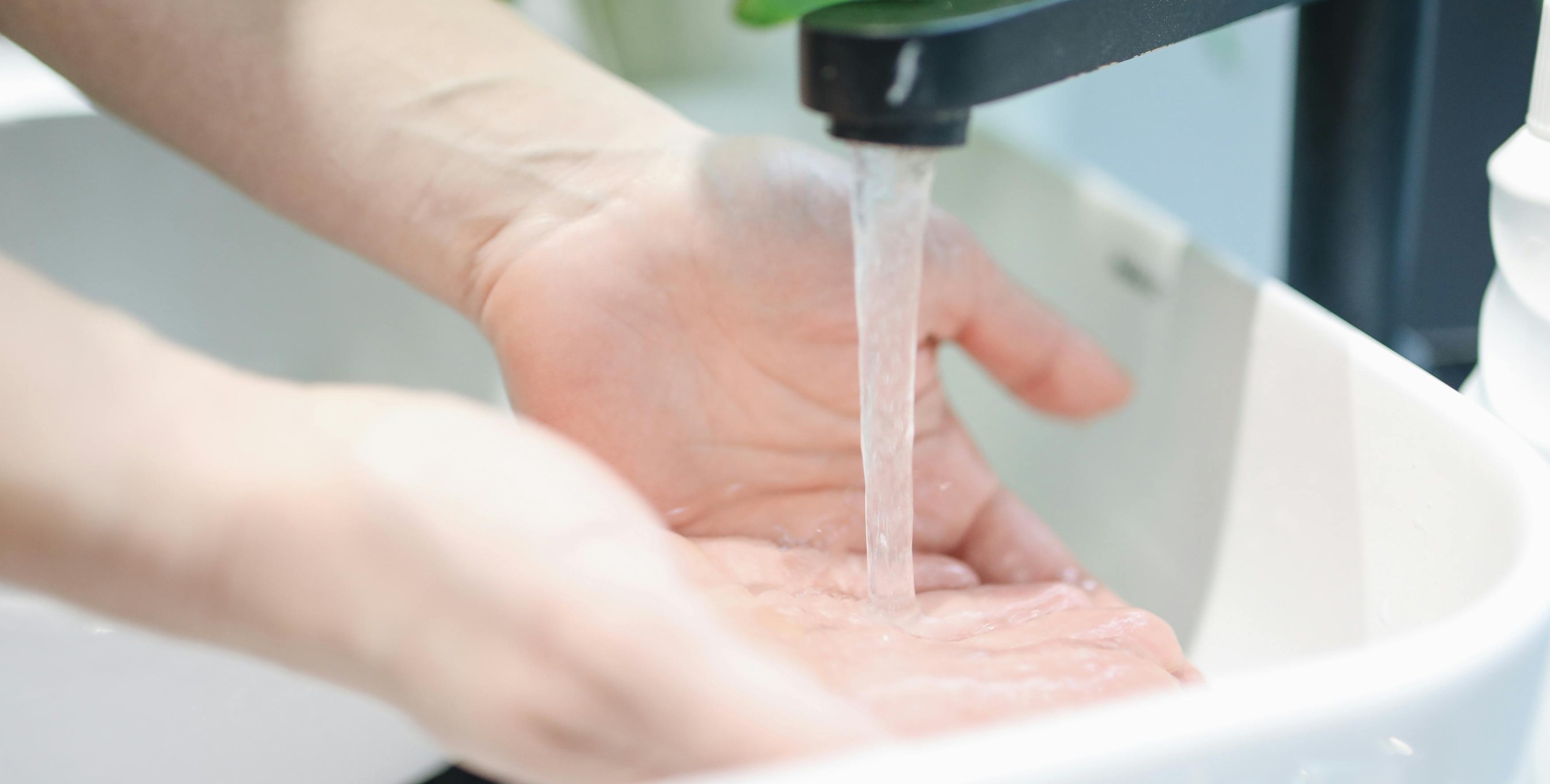
- Wash it gently every day with warm water, or warm water and a mild, unperfumed soap.
- Avoid perfumed soaps, shower gels, bubble bath, vaginal washes, deodorants and scented wipes.
- Wipe from front to back after you use the toilet.
- Dry properly after washing, and wear cotton underwear.
You don’t need special feminine washes, including ones that claim to balance your pH. The NHS advises against vaginal washes and deodorants. If you have thrush, the NHS advises washing with water and an emollient, like E45 cream, instead of soap.
How to wash your penis
Penis hygiene is simple:
- Wash your penis regularly with warm water, or warm water and a non-perfumed soap.
- If you have a foreskin, gently pull it back as far as it goes and clean underneath.
- Don’t use perfumed soap, talcum powder or deodorants on your penis, as they may cause irritation.
Not washing your penis properly is one cause of balanitis. If the head of your penis is red, swollen, itchy or sore, or you have discharge from under your foreskin, see a doctor to find out the cause.
How hygiene helps prevent UTIs
UTIs are usually caused by bacteria from poo getting into the urinary tract. To lower your risk, the NHS advises:
- wiping from front to back
- peeing as soon as possible after sex
- washing the skin around the vagina with water before and after sex
- drinking plenty of fluids, especially water
- not using scented soap around your genitals
Common UTI symptoms are pain or burning when you pee, needing to pee suddenly or more often, cloudy pee, blood in your pee and pain low in your tummy. Get urgent medical care if there’s blood in your pee, if you’re a man or pregnant, or if you also have a high temperature, pain in your back or side just under the ribs, or feel sick, which can be signs of a kidney infection.
Pain when you pee can also be caused by STIs, like Chlamydia and Gonorrhoea. Read more in “Is blood in urine a symptom of an STI?”
Thrush and BV: when cleaning does more harm than good
Thrush and BV aren’t STIs, but sex can trigger them. Both are linked to changes in the natural balance of the vagina, and some hygiene habits make them more likely:
- You’re more likely to get BV if you use perfumed products in or around your vagina, or if you douche.
- Thrush grows in warm, moist conditions, so drying properly and wearing cotton underwear can help.
BV also makes you more likely to catch an STI, possibly because it makes the vagina less acidic and weakens its natural defences.
Thrush can affect the penis too. Read more in “Thrush or STI: how to know the difference”
How to keep sex toys clean
Sex toys can pass on infections, including Chlamydia, Gonorrhoea, Herpes and HPV, if they’re shared. The NHS advises not sharing sex toys. If you do share them, wash them and cover them with a new condom before anyone else uses them.
To keep your toys clean:
- Wash them after every use, following the maker’s instructions.
- Choose smooth, non-porous materials, like silicone, glass or stainless steel, which are easier to clean.
Cleaning matters, but it isn’t perfect. In a small study, HPV was still found on both a silicone toy and a toy made of thermoplastic elastomer, a rubbery plastic, straight after cleaning. A day after cleaning, it was still found on the rubbery toy in 2 of 5 samples, but not on the silicone one. Read more in “How long can an STI stay on a sex toy?”
Does good hygiene prevent STIs?
No. STIs are passed on during vaginal, anal or oral sex, or through close genital contact, so washing afterwards can’t remove an infection. Douching before or after sex doesn’t prevent STIs either, and it makes BV more likely. Peeing after sex helps prevent UTIs, but it isn’t a way to prevent STIs.
Brook advises avoiding brushing your teeth just before or after giving oral sex, as this may raise your chance of getting an STI, and not having oral sex if there are sores or cuts on the mouth or genitals.
These are the things that protect you from STIs:
- Condoms and dental dams, used every time you have sex.
- Vaccines. The HPV vaccine is offered to children aged 12 to 13, and to gay, bisexual and other men who have sex with men up to the age of 45. Hepatitis A and B vaccines are recommended for people at higher risk, including men who have sex with men, and the MenB vaccine, offered to men who have sex with men at higher risk, gives some protection against Gonorrhoea.
- PrEP, a medicine that protects against HIV if you’re at higher risk. It doesn’t protect against other STIs.
- Regular STI tests, as many STIs cause no symptoms.
Read more in “3 STIs you can catch even if you use a condom”
When to get checked
See a doctor or get tested if you notice:
- unusual discharge from your vagina, penis or anus
- pain when you pee
- itching, a rash, lumps, blisters, sores or warts around your genitals or anus
- unusual vaginal bleeding, for example after sex or between periods
- pain during sex
Many STIs cause no symptoms at all. It’s worth getting tested after sex without a condom, or with a new partner, even if you feel fine.
Which test do you need?
Better2Know offers:
- Platinum Screen: our most comprehensive STI screen. It tests for 12 infections, including Chlamydia, Gonorrhoea, HIV, Syphilis, Trichomonas and Gardnerella, a bacterium linked to BV, from 28 days after sex, with results in 3 days. If you test before 45 days, a negative HIV result needs a repeat test. You can book it at one of our clinics or order a Platinum Screen home test.
- Comfort Screen: if you have symptoms like discharge, itching or pain when you pee, it tests a urine sample for 8 infections that can cause genital symptoms: Chlamydia, Gardnerella, Gonorrhoea, Herpes 1, Herpes 2, Mycoplasma, Trichomonas and Ureaplasma. You can test from 14 days after sex, with results in 2 days at a clinic, or order a Comfort Screen home test.
- Urine Analysis: Culture and Microscopy: if you think you have a UTI, it checks your urine for bacteria, with results in 2 days, at a clinic or with a home kit.
The Platinum Screen includes a Syphilis test. A Syphilis test in the first 3 months after sex can miss the infection, so you may need a repeat test. Not sure which test you need? Our Patient Care Team is available 24/7 on 020 7099 0955.
FAQs
Should I wash straight after sex?
You don’t need to, but it’s fine if you want to. Washing the skin around the vagina with water before and after sex, and peeing afterwards, can help prevent UTIs. It won’t wash away an STI, though.
Is it OK to use soap on my vulva?
Yes, a mild, unperfumed soap on the skin outside is fine. Don’t use perfumed products or wash inside your vagina. If you have thrush, use water and an emollient instead of soap.
Can poor hygiene give you an STI?
No. STIs are caused by infections passed on during sex, not by being unclean. Poor hygiene can lead to other problems, though, like balanitis, UTIs and irritation.
Final thoughts
Good sexual hygiene is simple: gentle washing with water or a mild unperfumed soap, no douching, clean sex toys and peeing after sex. It helps prevent UTIs, thrush and BV, but it can’t stop STIs. For those, condoms, vaccines and regular testing are what count.
Book a Platinum Screen at a clinic near you or order a home test kit from 28 days after sex. Our Patient Care Team is available 24/7 on 020 7099 0955.
About this article
Not in the UK? Choose your country from the selector at the top of the page for local tests and prices.
This article originally appeared on 11 March 2022 and was last updated on 30 September 2026.
Medical review. This article was medically reviewed by Dr Steve Chapman, Doctor with a wealth of clinical experience in the field of STIs, on 16 July 2025. It is general information and not a substitute for personal medical advice.
Sources
- Brook, Get to know your vulva, updated 26 May 2026. https://www.brook.org.uk/your-life/vaginas-and-vulvas/
- NHS, Vaginal discharge, reviewed 15 February 2024. https://www.nhs.uk/symptoms/vaginal-discharge/
- NHS, Bacterial vaginosis, reviewed 19 June 2026. https://www.nhs.uk/conditions/bacterial-vaginosis/
- NHS, Thrush in men and women, reviewed 28 July 2023. https://www.nhs.uk/conditions/thrush-in-men-and-women/
- NHS, Tight foreskin (phimosis), reviewed 6 March 2026. https://www.nhs.uk/conditions/phimosis/
- NHS, Balanitis, reviewed 30 May 2023. https://www.nhs.uk/conditions/balanitis/
- NHS, Urinary tract infections (UTIs), reviewed 11 July 2025. https://www.nhs.uk/conditions/urinary-tract-infections-utis/
- NHS, Kidney infection, reviewed 13 February 2025. https://www.nhs.uk/conditions/kidney-infection/
- Office on Women’s Health, US Department of Health and Human Services, Douching, updated 27 February 2025. https://womenshealth.gov/a-z-topics/douching
- NHS, Sexually transmitted infections (STIs), reviewed 13 May 2024. https://www.nhs.uk/conditions/sexually-transmitted-infections-stis/
- NHS, Chlamydia, reviewed 24 October 2024. https://www.nhs.uk/conditions/chlamydia/
- NHS, Gonorrhoea, reviewed 16 December 2024. https://www.nhs.uk/conditions/gonorrhoea/
- NHS, Human papillomavirus (HPV), reviewed 10 March 2026. https://www.nhs.uk/conditions/human-papilloma-virus-hpv/
- NHS, Genital herpes, reviewed 27 June 2023. https://www.nhs.uk/conditions/genital-herpes/
- Anderson TA, Schick V, Herbenick D, et al. A study of human papillomavirus on vaginally inserted sex toys, before and after cleaning, among women who have sex with women and men. Sexually Transmitted Infections, 2014. https://sti.bmj.com/content/90/7/529
- Brook, Oral sex, updated 27 July 2026. https://www.brook.org.uk/your-life/oral-sex/
- NHS, HPV vaccine, reviewed 1 September 2023. https://www.nhs.uk/vaccinations/hpv-vaccine/
- NHS, Hepatitis B vaccine, reviewed 19 March 2024. https://www.nhs.uk/vaccinations/hepatitis-b-vaccine/
- NHS, Hepatitis A, reviewed 24 April 2026. https://www.nhs.uk/conditions/hepatitis-a/
- NHS, MenB vaccine for gonorrhoea, reviewed 28 August 2025. https://www.nhs.uk/vaccinations/menb-vaccine-for-gonorrhoea/
- NHS, HIV and AIDS: prevention, reviewed 9 July 2025. https://www.nhs.uk/conditions/hiv-and-aids/prevention/
- British HIV Association, British Association for Sexual Health and HIV and British Infection Association, Adult HIV testing guidelines, 2020. https://bhiva.org/wp-content/uploads/2024/10/HIV-testing-guidelines-2020.pdf
- British Association for Sexual Health and HIV, UK guidelines for the management of syphilis, 2024. https://bashh.org/_userfiles/pages/files/syphilis_2024.pdf