
 2 minutes read2 minutes read
In the world of health and medicine, there are often misconceptions and misunderstandings that can lead to unnecessary fears and concerns. One such topic that has generated its fair share of confusion is the possibility of acquiring AIDS without having HIV.
In this blog post, we’ll explore this question with compassion and professionalism, aiming to clarify the relationship between HIV and AIDS.
HIV and AIDS: understanding the basics
To answer the question, it’s essential to begin with a fundamental understanding of what HIV and AIDS are.
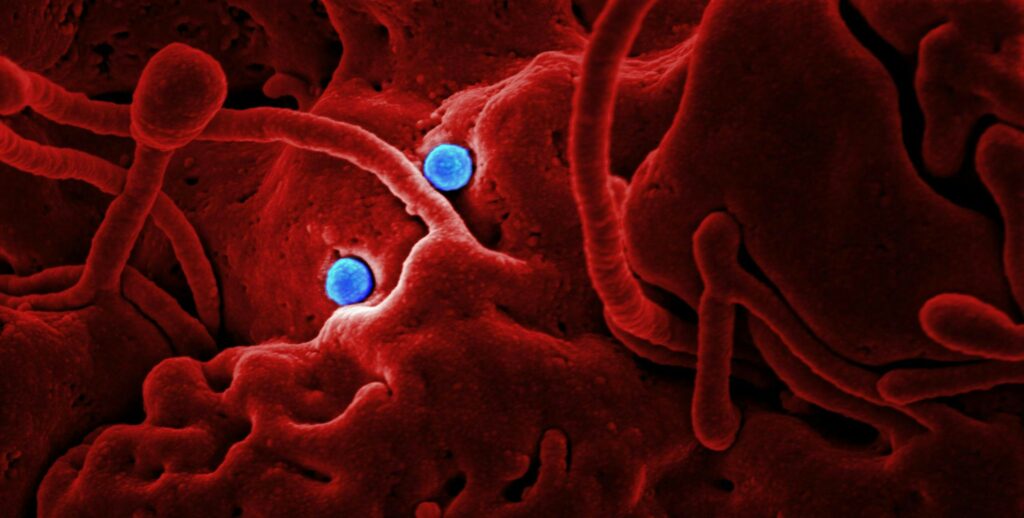
HIV (Human Immunodeficiency Virus) is a virus that attacks the body’s immune system, specifically targeting CD4 cells (T cells), which help the immune system fight off infections. When someone is infected with HIV, the virus replicates in their body and weakens their immune system over time.
AIDS (Acquired Immunodeficiency Syndrome), on the other hand, is an advanced stage of an HIV infection. Not everyone with HIV will progress to AIDS. It’s the point at which the immune system is so severely damaged that the individual becomes vulnerable to opportunistic infections and certain cancers.
The relationship between HIV and AIDS
It’s important to note that AIDS is a stage of HIV infection, not a separate condition. In other words, AIDS is the result of untreated or inadequately treated HIV infection. The progression to AIDS typically occurs when the body’s CD4 cell count falls below a certain level, or when an individual experiences specific AIDS-defining illnesses.
Can you get AIDS without HIV?
In short, the answer is no. AIDS is a condition that develops as a result of untreated or poorly managed HIV infection. It is not possible to contract AIDS without having HIV.
The key to prevention and control
The most effective way to prevent AIDS is to prevent HIV infection in the first place. This can be achieved through various means.
Safe sex
Safe sex practices can significantly reduce the risk of HIV transmission.
HIV testing
Knowing your HIV status is crucial. Regular testing allows for early diagnosis and treatment, which can prevent the progression to AIDS.
Antiretroviral therapy (ART)
If diagnosed with HIV, adhering to an appropriate ART regimen can help manage the virus and prevent it from advancing to AIDS.
Education
Understanding how HIV is transmitted and how to protect oneself is vital in preventing the virus’s spread.
PrEP
Pre-Exposure Prophylaxis is a preventive medication for those at high risk of HIV infection. It can be a valuable tool in preventing HIV.
PEP
PEP is a treatment with certain medicines that can prevent an HIV infection even after the virus has entered the body. To be effective, PEP should be taken immediately after exposure and certainly no longer than 72 hours after exposure.
Final thoughts
It’s important to remember that those living with HIV deserve understanding, compassion, and support. The stigma surrounding HIV/AIDS can be harmful and counterproductive. By offering empathy and encouragement to individuals with HIV, we can help ensure that they receive the care they need.
If you think you may have an HIV infection, get tested with Better2Know. Call the number above to speak to one of our Sexual Health Advisors. They can help you choose an STI clinic and test that’s right for you.