 5 minutes read5 minutes read
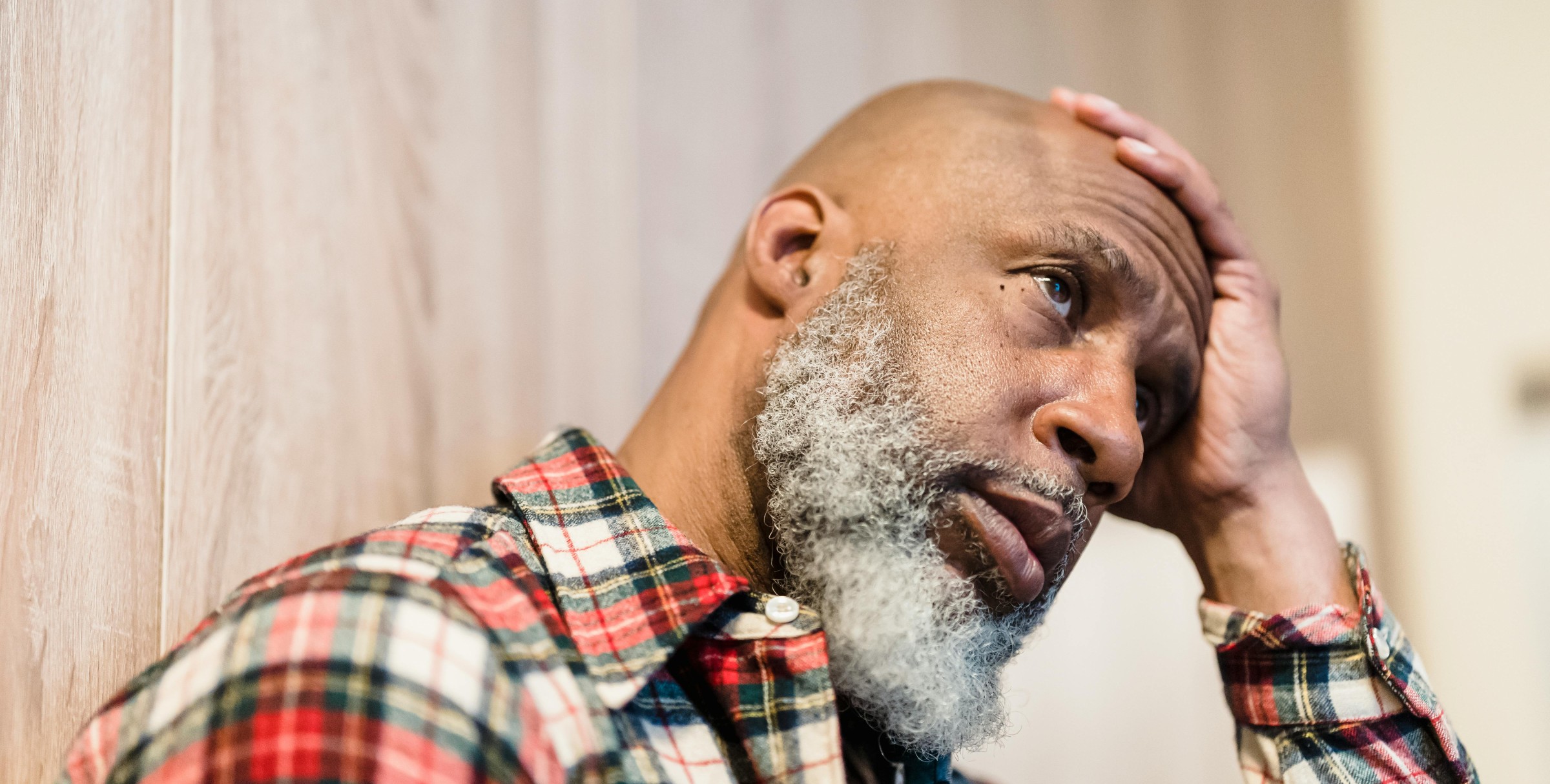
The days leading up to an HIV test—and especially the moments after receiving a result—can feel emotionally overwhelming. Many people describe a sense of urgency, fear, or a need to act quickly.
The testing patterns we see at Better2Know reflect just how intense those first feelings can be. For example, rapid and instant tests make up over 15% of all bookings, showing just how often people want to seek answers as soon as possible.
Whether you’ve just been diagnosed or you’re preparing yourself for a possible result, your feelings are valid. Shock, confusion, numbness, or even a strange sense of calm—everyone responds differently. What matters is that you’re taking steps to understand your situation and look after your health.
This blog is here to help you through those first few days: to explain what an HIV diagnosis means today, to offer practical guidance, and to remind you that you’re not alone.
What does it mean to be HIV positive?
Being HIV positive means that the Human Immunodeficiency Virus (HIV) is present in your body. It can feel frightening to hear those words for the first time, but today’s medical understanding of HIV is very different from the early days of the epidemic.
With modern treatment, HIV is a manageable health condition—one that thousands of people live with while enjoying long, full, healthy lives. An HIV diagnosis does not mean your life is over, and it does not define who you are.
HIV affects the immune system, specifically targeting certain white blood cells that help your body fight infection. Without treatment, this can gradually weaken your immune system over time. But with the right care, you can keep the virus under control.
Reaching and maintaining an undetectable viral load is more than just a medical goal—it’s a life-changing milestone. When your HIV is undetectable because the treatment is working, it becomes untransmittable to sexual partners. This is often referred to as U = U. It means you can have relationships, sex, and a future without the fear of passing the virus on.
If you do receive a positive test result, don’t forget that it must be confirmed with additional tests. False positives can occur, especially if you were feeling unwell the day of the test, and so we would never say someone is HIV positive until two test types are positive.
Do I now have AIDS?
Being HIV positive is not the same as having AIDS.
AIDS is a late stage of HIV that develops only when the immune system has been severely weakened over a long period of time. Thanks to modern treatment, most people with HIV never reach this stage.
If you’ve been diagnosed early—which is the case for the vast majority of people testing today—and you start treatment promptly, you can keep your immune system healthy and strong.
How will I feel?
It’s important to know that there’s no “correct” way to feel after getting diagnosed with HIV. Some people feel sad or angry, while others feel numb or anxious. No matter how you feel, processing the emotions will be a vital step in dealing with this condition.
Acknowledge the result
Many people who get an HIV diagnosis might deny that they have it. They may question the accuracy of the test results and hide their status from other people.
While this is an understandable reaction, denial can be dangerous. Some people may delay or avoid seeking help and treatment, thereby passing their infection on to others.
Get professional help
If you test positive for HIV, develop a relationship with your doctor. They’ll be able to help you manage your condition and medication over time. They will also be able to provide useful advice on managing your symptoms and any side effects from treatment.
Seek support from friends and family
Being diagnosed with HIV can be very challenging for some people. It helps to be surrounded by supportive people whom you can talk to about your feelings.
When should I start treatment?
In almost all cases, doctors recommend starting HIV treatment as soon as possible after diagnosis. Beginning treatment early helps protect your immune system and quickly reduces the amount of virus in your body, lowering the risk of future health complications. Early treatment also makes it easier to reach an undetectable viral load sooner.
FAQs
How did I get HIV?
HIV is passed from one person to another through specific bodily fluids, most often during unprotected sex or by sharing needles. It can also be transmitted from a pregnant person to their baby without proper medical care. Many people never know exactly when it happened—and that’s okay. What matters now is focusing on your health, treatment, and wellbeing.
Can I still have sex?
If you undergo treatment, you can reach an undetectable viral load, which means you can’t pass HIV on to your sexual partners if you have unprotected sex with them. Using condoms and communicating openly with partners can also help you feel more confident and in control.
Can I have children?
Many people living with HIV have healthy, HIV‑negative children. With proper medical care and an undetectable viral load, the risk of transmission during pregnancy or birth becomes extremely low.
Do I have to tell people I have HIV?
Who you tell—and when—is entirely up to you. You’re not required to disclose your status to most people in your life. However, it can be helpful to tell a trusted friend or family member for emotional support. Your doctor can also explain the specific situations where disclosure may be legally required. In some countries, you may be required to report your status to the authorities or government.
Will it harm my long-term health?
With modern treatment, most people living with HIV lead long, healthy lives. Starting treatment early and taking it consistently helps protect your immune system and reduces the risk of future complications. HIV is now considered a manageable long‑term condition.
Can I travel?
Many countries have no restrictions for people living with HIV. Some nations do have specific entry rules, particularly for long‑term visas or residency, so it can be helpful to check before travelling. In certain cases, you may need an HIV certificate to enter certain countries.
How do I cope emotionally?
Everyone processes an HIV diagnosis differently. It may help to:
- Talk about your feelings with a friend, family member, therapist, or social worker—anyone you trust.
- Consider medication if recommended by a mental‑health professional.
- Find activities that reduce stress, such as exercise, hobbies, or time outdoors.
- Practice relaxation techniques like meditation or deep breathing.
- Limit caffeine if it increases anxiety.
- Join a support group to connect with people who understand what you’re going through.
How can I stay healthy?
Daily choices can make a big difference. Try to:
- Practice safe sex
- Avoid sharing needles
- Limit tobacco and alcohol
- Eat a balanced diet
- Exercise regularly
- Get enough sleep
- Reduce or manage sources of stress
Staying on treatment and attending regular medical appointments remain the most important steps for long‑term health.
Final thoughts
Receiving an HIV diagnosis—or even waiting for a test result—can feel overwhelming, but it’s important to remember that you are not facing this alone.
If you’re worried about HIV or any other STI, Better2Know is here to help. Our fast, confidential testing options are available, giving you clarity and peace of mind whenever you need it.
This article has been medically reviewed by Dr. Steve Chapman, 13/07/2026.