
 3 minutes read3 minutes read
Noticing a cold sore, or realising it’s linked to Herpes, can be worrying. Many people wonder whether they should get tested, seek treatment, or simply wait it out.
This can be an issue. Standalone Herpes testing makes up less than 10% of sexual health tests. This means that people with Herpes are more likely to unknowingly pass the infection on.
In this article, we’ll explain what cold sores are, how they’re linked to Herpes, and, most importantly, how you can treat them and reduce future outbreaks.
What are cold sores?
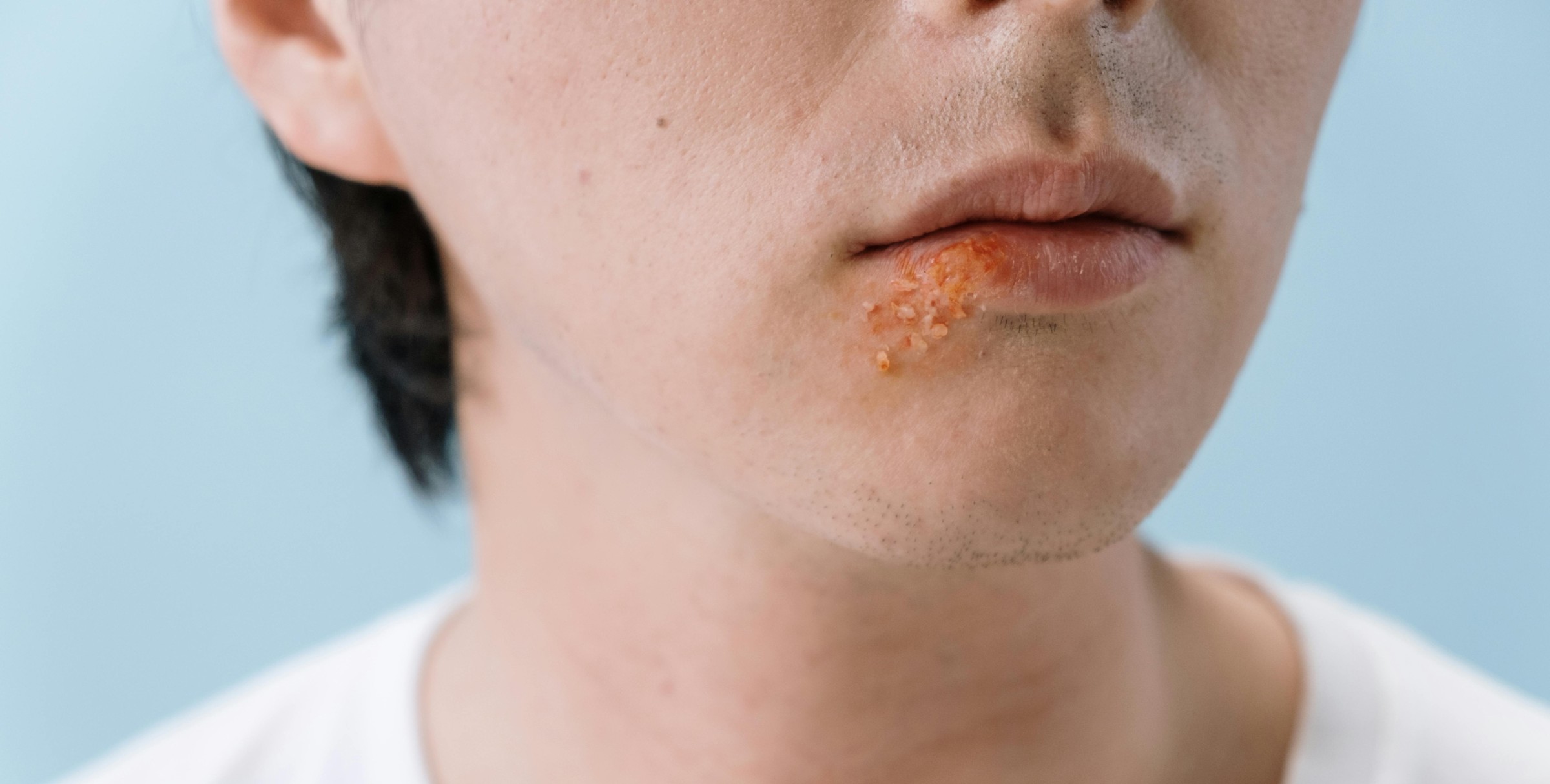
Cold sores are small, fluid‑filled blisters that usually appear on or around the lips, mouth, or nose. They often start with a tingling or burning sensation before developing into blisters that eventually scab over and heal.
They’re sometimes known as fever blisters and are very common. Many people will experience at least one during their lifetime.
How are cold sores linked to Herpes?
Cold sores are caused by the Herpes Simplex Virus (HSV), most commonly HSV‑1, also known as oral Herpes. Once the virus enters your body, it stays there for life, lying dormant in nearby nerves.
Having HSV‑1 doesn’t mean you’ll always have symptoms. Many people carry the virus without ever developing noticeable cold sores.
How do you get cold sores?
HSV‑1 is usually caught through close oral contact, such as kissing and other skin‑to‑skin contact around the mouth.
Because the virus is so common and doesn’t manifest symptoms, many people don’t know when, or from whom, they caught it. It’s extremely common that you catch this virus when you’re a child.
What triggers an outbreak of cold sores?
Once HSV‑1 is in your body, certain triggers can cause it to reactivate. Common triggers include:
- Stress or anxiety
- Illness or a weakened immune system
- Fatigue
- Sun exposure
- Hormonal changes
For some people, outbreaks are rare. Others may experience them more regularly and look for medical advice, particularly younger adults. In fact, over 75% of isolated Herpes screenings are requested by people aged 31 or under, reflecting that younger adults are the most likely to seek clinical reassurance when outbreaks feel persistent or disruptive.
How can I treat my cold sores?
While there’s no cure for Herpes, there are effective treatments that can help cold sores heal faster and feel more manageable, especially when started early.
Antiviral treatments
Prescription antiviral medications are the most effective treatment for cold sores.
They can:
- Reduce the severity of symptoms
- Shorten healing time
- Lower the risk of future outbreaks
Antivirals work best when taken at the first signs of infection, such as tingling or itching. For people with frequent outbreaks, suppressive antiviral therapy may be recommended to keep symptoms under control.
Over-the-counter creams and treatments
Cold sore creams, gels, and patches are available from pharmacies without a prescription. These can:
- Ease pain and irritation
- Protect the sore while it heals
Some antiviral creams may slightly shorten healing time if used early, but oral antivirals are generally more effective.
Home and self-care measures
Simple self‑care steps can also make a difference:
- Avoid touching or picking the sore
- Wash your hands regularly
- Use a cold compress to reduce swelling
- Keep the area clean and dry
How long will an outbreak last?
Most cold sores heal within 7 to 14 days after the beginning of the outbreak. They usually follow a recognisable pattern:
- Tingling or itching
- Blister formation
- Weeping or oozing
- Scabbing
- Healing
Many people manage outbreaks at home rather than attending a clinic, and when symptoms do prompt testing, people tend to seek reassurance as soon as they notice changes.
Can I prevent future outbreaks?
You can’t eliminate HSV‑1 from your body, but you can reduce outbreaks by:
- Managing stress
- Getting enough sleep
- Having a healthy diet
- Reducing alcohol consumption
- Protecting your face from sun exposure
- Treating early symptoms promptly
If cold sores are frequent or particularly uncomfortable, a healthcare professional can advise on longer‑term antiviral options.
Final thoughts
Cold sores are common, manageable, and a minor inconvenience rather than a major health issue. The fact that relatively few people seek standalone Herpes testing shows that many learn to recognise and manage symptoms confidently over time.
Still, if your outbreaks are recurring, severe, or causing anxiety, professional advice can help. Better2Know offers confidential testing, treatment, and clinical support, giving you clarity and peace of mind whenever you need it.
This article has been medically reviewed by Dr. Steve Chapman, 13/07/2026.